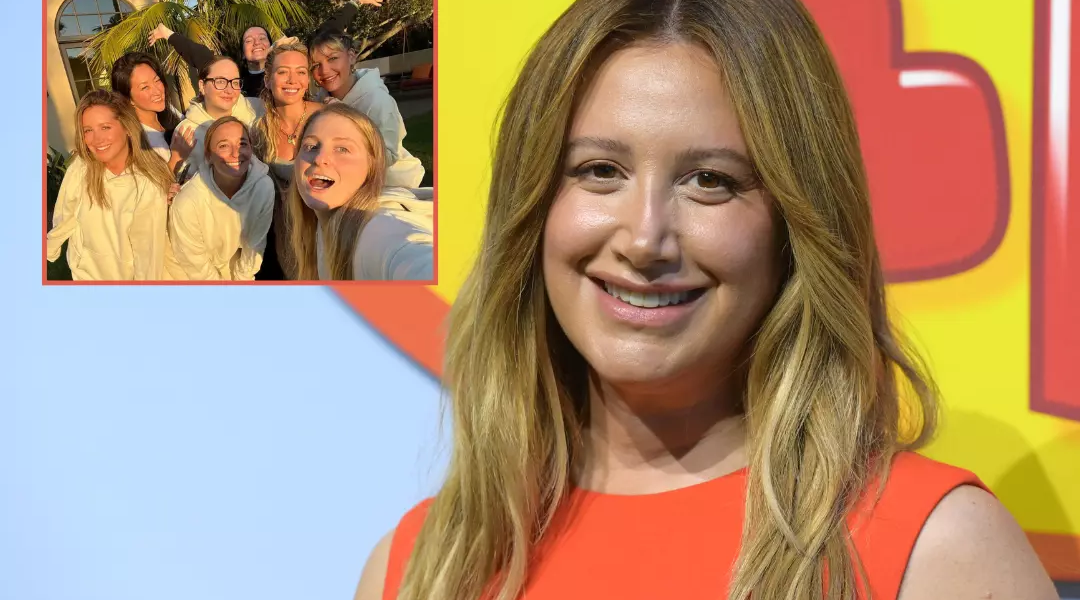

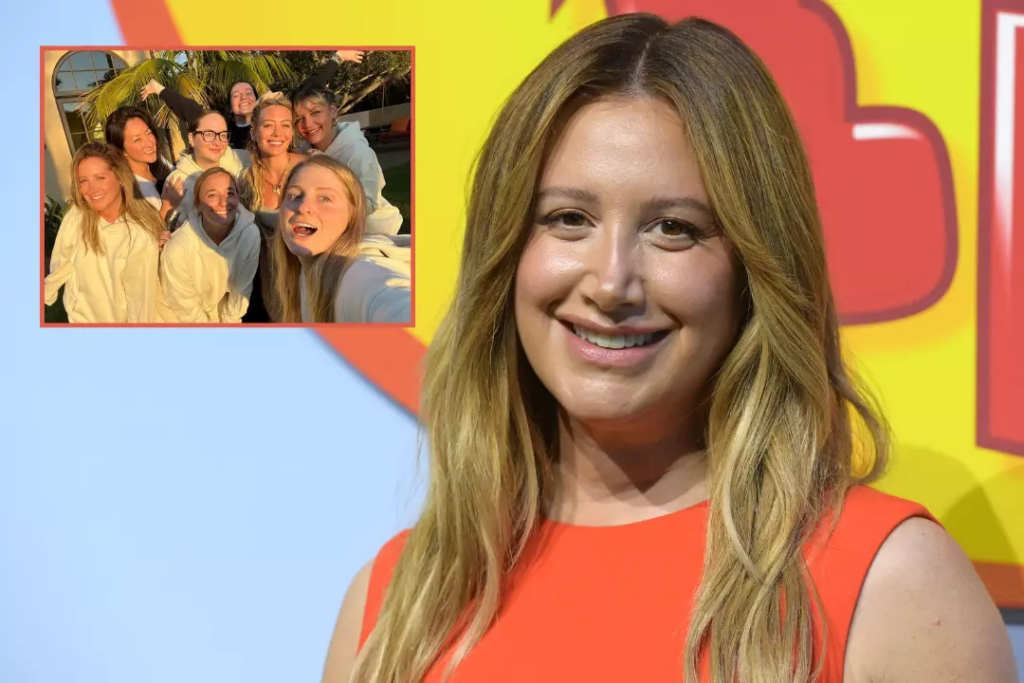
Ashley Tisdale is opening up about a chapter of motherhood she never expected to become such a public conversation: walking away from a celebrity mom group she describes as “toxic.”
In a candid personal essay published in The Cut, the actress and singer reflected on how a circle that once felt supportive and empowering slowly began to mirror the kind of exclusion she thought she had left behind in high school. For Tisdale, now a mother of two, the experience became less about celebrity friendships and more about self-respect, boundaries and the example she wants to set for her children.
Tisdale explained that the group initially came together during the early days of the COVID-19 pandemic, when many new mothers were navigating isolation, uncertainty and the steep learning curve of parenthood. Surrounded by women who were building brands, launching creative projects and balancing careers alongside raising young children, she felt inspired. The group gave her a sense of belonging and validation at a time when connection felt rare.
That sense of community, however, didn’t last. Over time, Tisdale noticed subtle shifts in the group dynamic. Invitations slowed, communication changed and she found herself increasingly left out. At first, she brushed off the feeling, reluctant to assume the worst. But as the pattern continued, it became harder to ignore. What hurt most, she shared, was realizing this wasn’t an isolated moment — the group appeared to have a habit of excluding one person at a time.
The turning point came when Tisdale decided to address the situation directly. In a blunt text message, she told the group she no longer wanted to participate in something that felt “too high school.” While some members attempted to repair the relationship, the damage had already been done. The dynamic no longer felt healthy, and for Tisdale, staying silent was no longer an option.
What makes her story resonate, she noted, is how many women have reached out to say they felt seen. The experience struck a nerve far beyond celebrity culture, touching on a universal truth about adult friendships, especially among parents. Exclusion, cliques and unspoken hierarchies don’t disappear with age — but the tolerance for them often does.
For Tisdale, motherhood ultimately clarified her decision. She questioned how she could teach her daughters to speak up for themselves, to include others and to value emotional honesty if she didn’t do the same. Walking away wasn’t about drama or blame; it was about choosing self-worth and modeling the behavior she hopes her children will carry forward.
Her essay serves as a reminder that even in glamorous circles, friendship challenges can be deeply relatable — and that outgrowing a space isn’t a failure, but sometimes a necessary act of growth.
Check out our latest article: What Timothée Chalamet Said to Kylie at the Critics Choice Awards