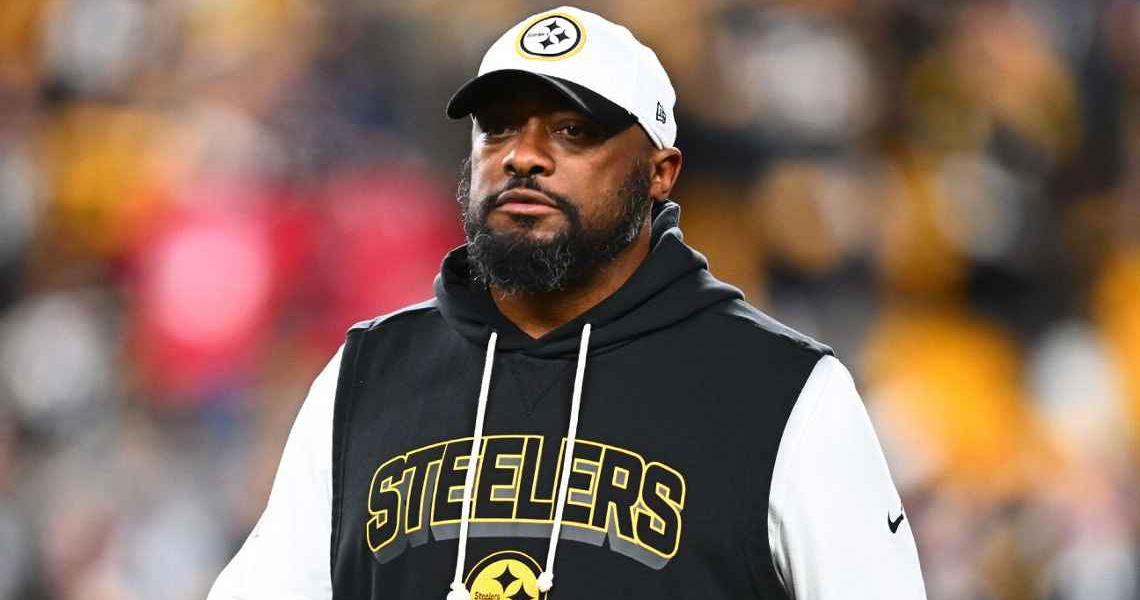

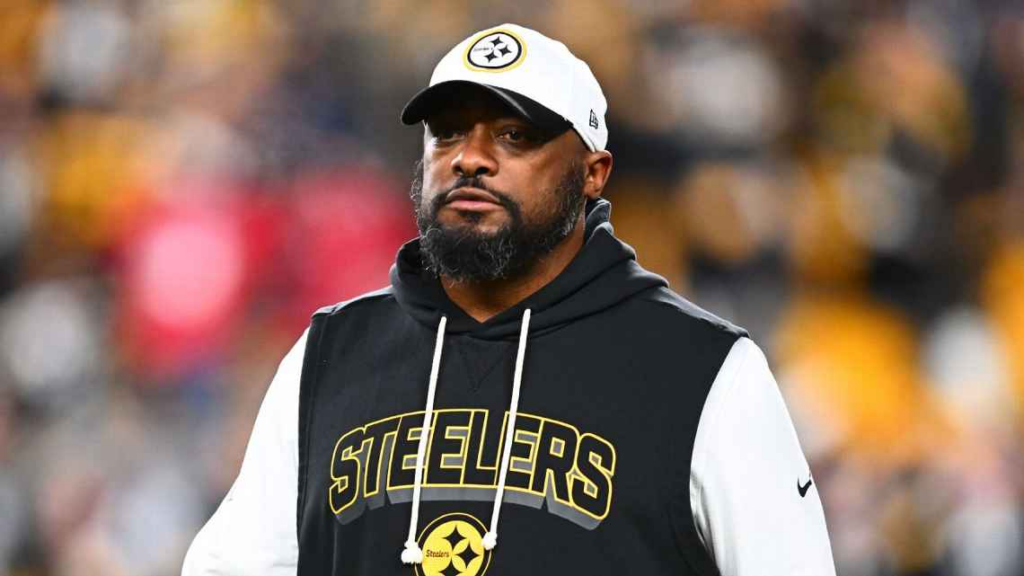
Mike Tomlin’s sudden exit from the Pittsburgh Steelers after 19 seasons may have closed one chapter of his football life, but it appears to have opened another—one that could take place not on the sideline, but in front of a television camera. After stepping down on January 13, just hours after Pittsburgh’s latest playoff disappointment, Tomlin instantly became one of the most intriguing free agents not only in coaching circles, but in sports media as well.
Tomlin leaves the Steelers as a Super Bowl champion, the league’s longest-tenured head coach, and a figure synonymous with consistency. While his final years in Pittsburgh were defined by postseason frustration, his résumé and reputation ensure he won’t be idle for long. The question isn’t whether Tomlin will have options—it’s which direction he’ll choose.
For years, Tomlin has been viewed as a natural fit for television, often mentioned alongside Rams coach Sean McVay as a future studio star. His communication style is tailor-made for the medium: sharp, confident, occasionally humorous, and packed with memorable one-liners. Industry insiders have long praised his presence in production meetings, and ESPN’s Adam Schefter quickly floated the idea of Tomlin transitioning into broadcasting following the news of his departure.
Financially, the move makes sense. Tomlin had two years remaining on a contract that reportedly paid him around $25 million annually. While television won’t match that salary, it offers something equally valuable—far fewer hours, less stress, and a chance to remain influential in the game without the relentless grind of coaching.
Every major network is expected to make its pitch. Fox is widely seen as the favorite, with its established NFL desk and history of welcoming former coaches into analyst roles. Tomlin alongside Michael Strahan, Howie Long, and Rob Gronkowski feels like a seamless fit, especially with Tomlin eventually destined for a Hall of Fame gold jacket.
Amazon Prime Video also looms as a strong contender, whether in the studio or potentially in the booth should changes come to its broadcast team. CBS could look to Tomlin as part of a refresh on The NFL Today, while NBC may see him as the star power needed to reinvigorate Football Night in America—with the added allure of a Super Bowl broadcast platform this year. Even ESPN, despite its crowded lineup and louder personalities, can’t be entirely ruled out.
What separates Tomlin from many former players-turned-analysts is depth. He’s spent nearly two decades navigating leadership, pressure, and expectations at the highest level. While he doesn’t share the championship totals of Bill Belichick or Nick Saban, Tomlin understands what sustained excellence requires—and what happens when effort and results don’t always align. That perspective could resonate deeply with viewers.
Of course, television isn’t the only path. At just 53, Tomlin has plenty of coaching years left if he chooses to step back into the league. This offseason alone features numerous head coaching vacancies, and several teams would eagerly line up to interview him. A temporary media stint, followed by a return to the sidelines, remains very much in play.
Ultimately, Tomlin’s appeal goes beyond catchphrases like “The standard is the standard.” His real value lies in his ability to explain leadership, accountability, and high-stakes decision-making with authenticity. If a network can give him the space to be honest and comfortable, Mike Tomlin could quickly become one of the most compelling voices in NFL television.
Whether he’s breaking down coverages or breaking down culture, one thing seems clear: Mike Tomlin’s next act is coming—and it may be just as impactful as his first.
Check out our latest article: ‘Dilbert’ Creator Scott Adams Dies at 68 After Battle With Prostate Cancer