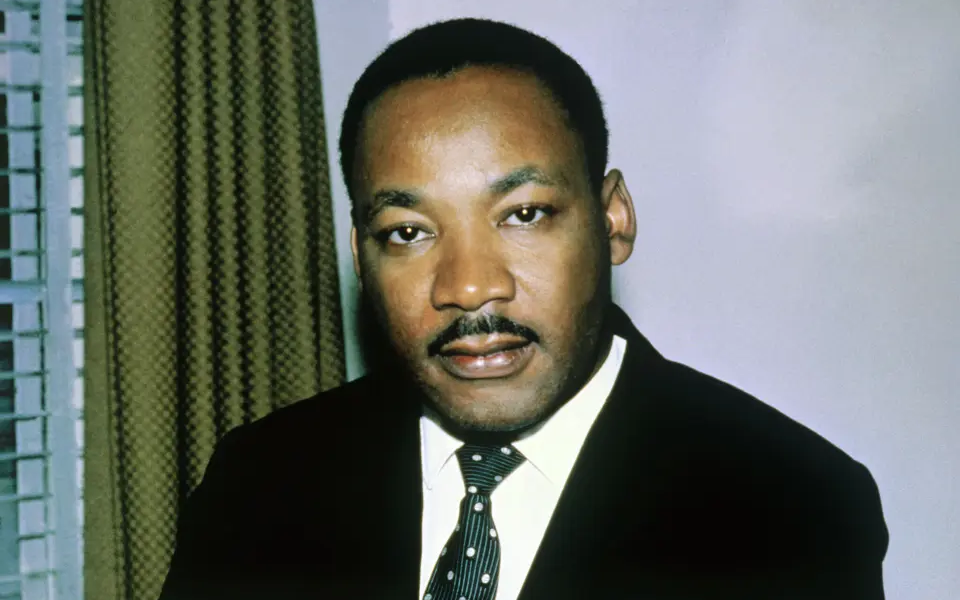

As Americans prepare to observe Martin Luther King Jr. Day in January 2026, many are asking whether the holiday’s status has changed under the Trump administration. The short answer is no: Martin Luther King Jr. Day remains a federal holiday. However, how the day is marked — particularly in connection with public lands and national parks — will look noticeably different this year, reflecting broader policy shifts around federal commemorations.
Martin Luther King Jr. Day falls on Monday, Jan. 19, 2026, and, as always, is observed on the third Monday of January. Established to honor the life and legacy of the civil rights leader, the holiday is unique among federal observances. It is the only one officially designated as a national day of service, encouraging Americans to volunteer and take part in community improvement efforts rather than simply taking the day off.
The holiday’s federal status has not changed. It was signed into law by President Ronald Reagan in 1983 and first observed nationwide in 1986, though it took years of political battles before all 50 states formally recognized it. By 2000, the holiday was universally observed across the country, solidifying its place on the federal calendar.
What has changed in 2026 is how Martin Luther King Jr. Day is treated in relation to National Park access. In past years, MLK Day was included among the National Park Service’s “fee-free days,” when entrance fees to national parks, monuments, and other federally managed lands were waived. These days were often tied to major federal holidays or significant historical observances.
Under changes announced by the Department of the Interior in late 2025, MLK Day was removed from the list of fee-free days for 2026. The revised list places greater emphasis on dates tied to patriotism, presidential history, and national identity, rather than civil rights milestones. As a result, visitors will be required to pay standard entrance fees at national parks on Martin Luther King Jr. Day this year.
Juneteenth was also removed from the fee-free list, while new additions include Flag Day — which coincides with former President Donald Trump’s birthday — Constitution Day, and Theodore Roosevelt’s birthday. Veterans Day remains the only date carried over from previous years’ lists, marking a significant shift in how federal lands are symbolically connected to national observances.
Despite these changes, Martin Luther King Jr. Day continues to be widely commemorated across the country through service projects, educational events, and reflections on King’s legacy and the ongoing struggle for civil rights. Federal offices remain closed, and the holiday’s original purpose — honoring King’s vision of equality, justice, and civic responsibility — remains unchanged.
Another point of confusion for some Americans is whether U.S. flags are lowered to half-staff on Martin Luther King Jr. Day. They are not. This is not a new policy, nor is it part of the 2026 changes. Flags are typically lowered only during periods of national mourning or to honor fallen officials. While flags were ordered to be flown at half-staff following King’s assassination in April 1968, that period remains the only time such a directive was issued nationwide in connection with him.
Today, flags are lowered on specific remembrance days, such as Memorial Day (until noon), Patriot Day, and National Pearl Harbor Remembrance Day, or following the deaths of major government officials. While some states or local governments may choose to lower flags on MLK Day, there is no federal mandate to do so.
In 2026, Martin Luther King Jr. Day stands as a reminder that while policies and symbolic gestures surrounding federal holidays may evolve, the holiday itself — and the values it represents — remain firmly in place. The changes highlight ongoing debates over how the nation chooses to honor its history, who is centered in those commemorations, and what forms remembrance should take in public life.
Check out our latest article: Bills Frustrated by Controversial Overtime Call in Playoff Loss to Broncos