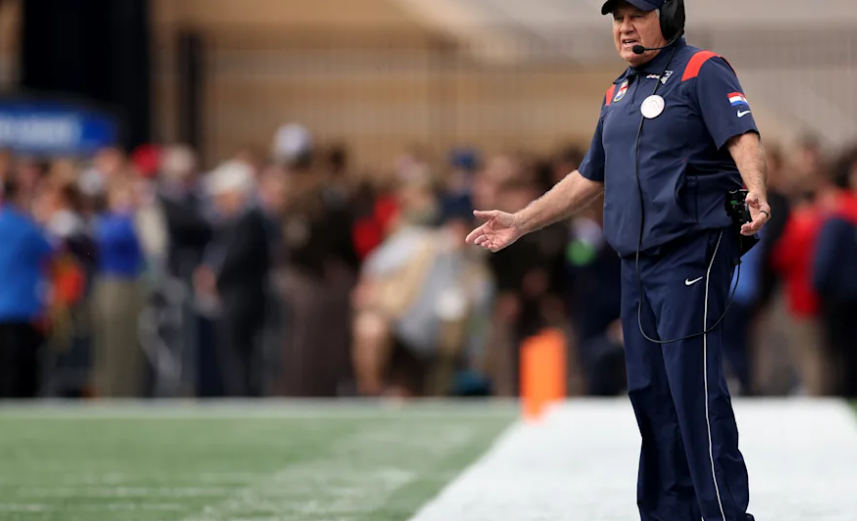
Bill Belichick, the legendary head coach of the New England Patriots, has been surprisingly passed over for the Pro Football Hall of Fame in his first year of eligibility. Widely regarded as one of the greatest coaches in NFL history, Belichick’s six Super Bowl victories, two-decade dynasty, and unmatched consistency make him a clear first-ballot candidate—yet at least 11 of the 50 voters reportedly chose not to induct him.
Belichick himself has suggested that “politics” may have influenced the decision, and many analysts agree. The Hall of Fame voting process is conducted in secret, with 50 voters—including one journalist per NFL team and a handful of other selected media members—deciding each year’s class. The lack of transparency allows personal biases, rivalries, and lingering controversies to impact outcomes, as critics argue happened in Belichick’s case.
One such controversy is the infamous 2007 Spygate scandal, when the Patriots were caught videotaping opponents’ signals. Although widely criticized at the time, many now see the issue as a minor blemish on an otherwise impeccable career. Still, it appears some voters may have used it as justification to deny Belichick first-ballot status, despite his unparalleled success as a head coach and assistant.
An anti-Patriots bias in the Hall of Fame has long been suspected. Patriots owner Robert Kraft, whose contributions to the team’s dynasty are immense, has similarly been delayed in gaining induction, while other candidates with arguably less impressive records have been honored sooner. Former players like Rodney Harrison and even legendary figures such as Terrell Owens have also faced long waits, raising questions about fairness and consistency in the voting process.
Reports indicate that former NFL general manager Bill Polian may have played a role in influencing voters against Belichick. Polian’s teams, including the Buffalo Bills and Indianapolis Colts, repeatedly lost to Belichick’s Patriots over the years, fueling speculation that personal rivalries or professional grudges affected the vote. While Polian denies influencing the outcome, the timing and history of the Patriots’ dominance over his teams have fueled public suspicion.
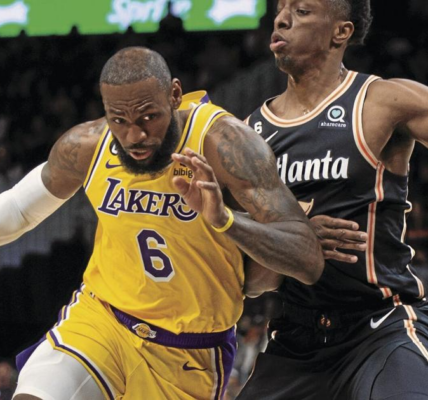
The reaction to Belichick’s snub has been immediate and widespread. Former NFL stars, Hall of Fame coaches, current players, sports journalists, and even figures outside football—like basketball superstar LeBron James—expressed disbelief. Many described the decision as one of the most baffling in Hall of Fame history, highlighting the disconnect between Belichick’s record and the voters’ choice.
Critics argue that denying Belichick first-ballot induction undermines the credibility of the Hall of Fame. Its stated mission is to “honor the greatest of the game, preserve its history, promote its values, and celebrate excellence together.” By failing to recognize one of the most successful coaches ever, the institution appears to have fallen short of its own standards.
Belichick’s résumé speaks for itself: six Super Bowl wins, 17 AFC East titles, a record-breaking dynasty, and a career marked by strategic brilliance and adaptability. Few coaches in NFL history have achieved such sustained excellence, and it is difficult to argue that any eligible candidate surpasses him.
While Belichick will almost certainly gain entry in a future year, this first-year snub serves as a reminder of the influence of personal bias, politics, and historical grudges in the Hall of Fame selection process. Fans, analysts, and former players continue to call for reform, including greater transparency and accountability, to ensure that the league’s most deserving figures are honored in a timely and fair manner.
Until then, Bill Belichick’s exclusion remains one of the most controversial decisions in NFL history, sparking debates about fairness, bias, and what it truly means to honor “the greatest of the game.”
Check out our latest article: Congresswoman Omar Attacked at Town Hall, Stands Firm