Global markets opened the week under heavy pressure as oil prices surged sharply, raising fears of a major energy shock and potential economic fallout.
The benchmark Brent Crude climbed above $100 at the start of trading and briefly reached about $119.50 per barrel. The jump represents roughly a 25% daily rise and brings total gains to nearly 60% since Donald Trump ordered military strikes on Iran.
Analysts say such sharp moves in oil prices are often associated with periods of global recession. While the world economy relies less on oil than in past decades, experts warn that supply disruptions caused by prolonged conflict could still have widespread effects.
Strait of Hormuz Disruption
One of the biggest concerns centers on the Strait of Hormuz, a critical chokepoint for global energy shipments. Tanker tracking data suggests many ships are avoiding the passage due to rising security risks.
The disruption is already impacting fuel markets. Around half of Europe’s jet fuel supply typically passes through the strait, and prices have surged to record levels, equivalent to roughly $190 per barrel.
With fewer shipments moving through the region, some Gulf producers are reportedly approaching storage limits and scaling back output, a process that could take time to reverse once supplies resume.
Markets React Sharply
The energy shock quickly spread across financial markets. Airline stocks across Asia fell sharply as investors anticipated higher fuel costs and weaker travel demand.
Major regional markets also dropped, with Japan’s Nikkei 225 falling around 7%, while shares in South Korea and Taiwan declined by roughly 8% and 5%, respectively.
Futures pointed to further losses elsewhere, with European equities expected to open between 1% and 3% lower and U.S. markets also facing declines.
Inflation Concerns Rise
Bond yields increased worldwide as investors braced for higher inflation driven by rising energy costs. Spiking prices for liquefied natural gas, jet fuel, and fertilizers could push up the cost of heating homes, traveling, and even food production.
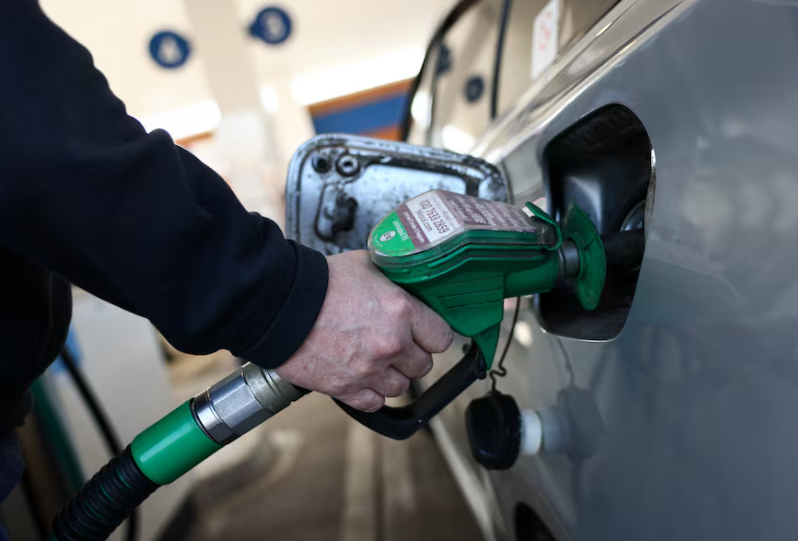
In the United States, rising gasoline prices remain a particularly sensitive issue for consumers. Analysts warn that sharp increases at the pump could quickly intensify economic and political pressure as the conflict continues.
Key Economic Signals Ahead
Investors are also watching several developments that could shape market sentiment this week. Officials including Piero Cipollone are scheduled to attend a Eurogroup meeting in Brussels, while economic indicators such as German industrial output and the Sentix investor confidence index are expected to offer further insight into the health of the European economy.
As the geopolitical situation evolves, markets are likely to remain volatile, with energy prices and shipping routes in the Middle East playing a critical role in shaping the global economic outlook.
Check out our latest article: Jennifer Runyon, ‘Ghostbusters’ and ‘Charles in Charge’ Actress, Dies at 65