Hungary has entered a new political era after Péter Magyar secured a landslide victory, bringing an end to the 16-year rule of Viktor Orbán. The result marks one of the most dramatic political shifts in the country’s modern history.
With nearly all votes counted, Magyar’s Tisza Party is projected to win a commanding majority in parliament, enough to reshape laws and potentially reverse key policies introduced during Orbán’s long tenure.
A Historic Political Turn
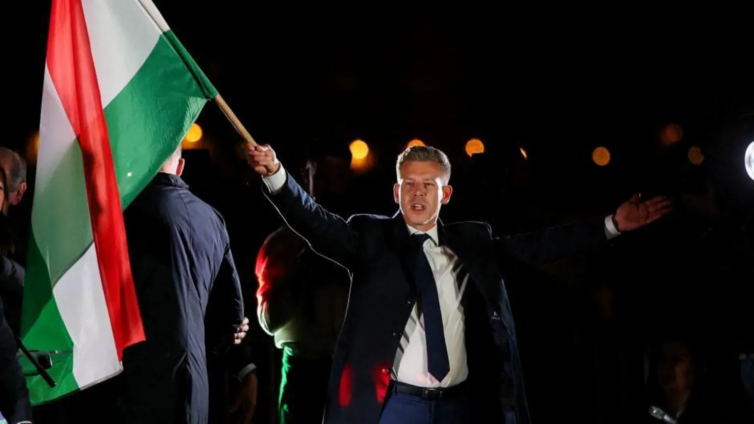
Addressing supporters in Budapest, Magyar declared victory as a turning point for the nation, framing it as a collective effort to bring change after years of growing dissatisfaction. Voter turnout reached record levels, reflecting the intensity and importance of the election.
Orbán, who had dominated Hungarian politics for over a decade through repeated electoral victories, acknowledged defeat, calling the outcome “clear and painful.”
From Insider to Challenger
Magyar’s rise is particularly striking given his past ties to the political establishment. Once aligned with Orbán’s circle, he spent recent years building a grassroots movement, traveling across the country and appealing to voters frustrated by corruption, economic concerns, and perceived democratic backsliding.
His campaign focused on restoring institutional independence, reforming public services, and dismantling entrenched systems of political patronage.
Shifting Hungary’s Global Direction
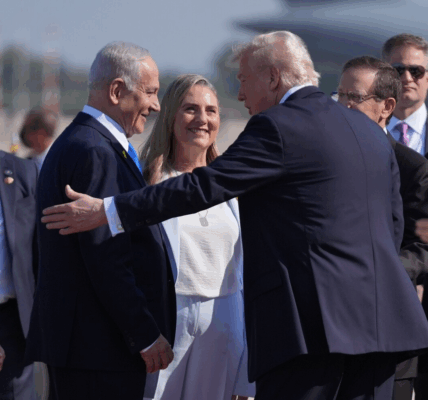
Beyond domestic reforms, the election result could significantly alter Hungary’s position on the global stage. Orbán had maintained close relationships with leaders like Donald Trump and Vladimir Putin, often putting Hungary at odds with the European Union.
Magyar, by contrast, has pledged to strengthen ties with the EU and support closer cooperation with Ukraine, signaling a potential realignment of Hungary’s foreign policy.
Celebrations and Uncertainty
Scenes of celebration erupted across Budapest as supporters gathered in the streets, waving flags and marking what many viewed as a fresh start. Yet alongside the optimism, there is also uncertainty.
Some voters have expressed cautious hope, recognizing that while change has arrived, delivering on ambitious promises will be the real test.
What Comes Next
With a strong parliamentary majority, Magyar now has the opportunity to implement sweeping reforms, including changes to the constitution. Key priorities include tackling corruption, reforming healthcare and education, and restoring judicial independence.
Meanwhile, Orbán is expected to remain as a political figure, at least in the short term, as his party regroups following the defeat.
For Hungary, the election represents more than just a смена власти—it signals a potential transformation of the country’s political identity, both at home and abroad.
Check out our latest article: Club América and Cruz Azul Draw 1-1 in Emotional Return to Estadio Azteca