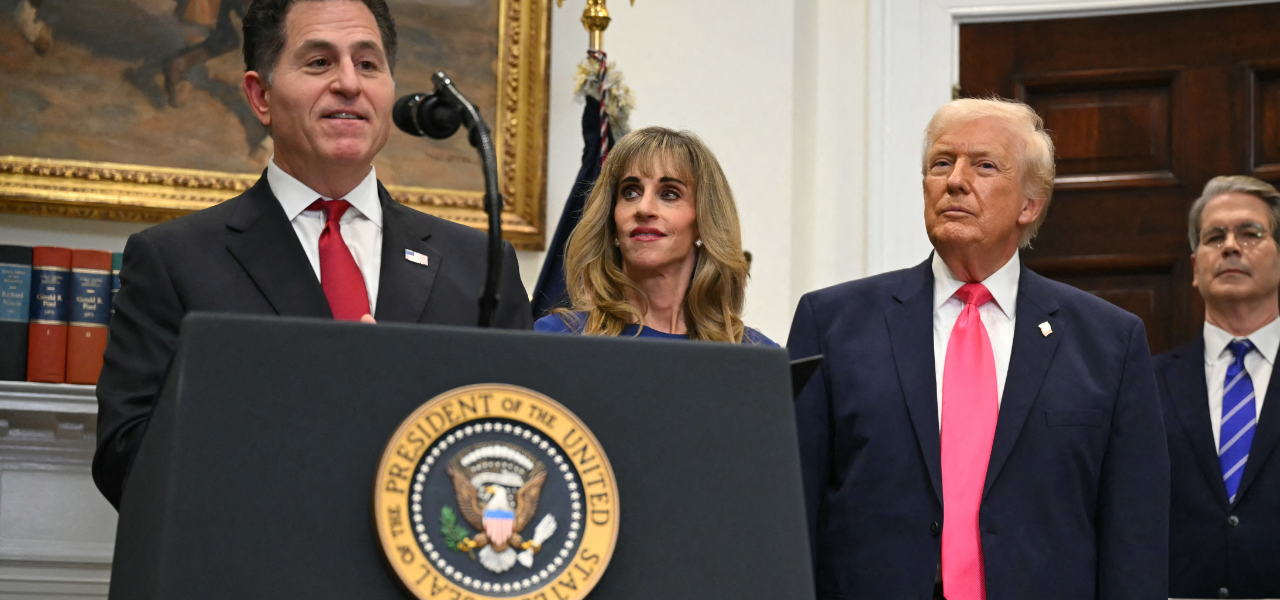


Michael and Susan Dell have announced a historic $6.25 billion charitable commitment aimed at improving the long-term financial prospects of millions of American children. The donation will fund investment accounts for roughly 25 million kids across the United States, in what advocates are calling the largest philanthropic effort ever directed toward American children.
The initiative is designed to complement a new federal program that will create tax-advantaged “Trump accounts” for U.S. children. While the government will seed accounts with $1,000 for children born between 2025 and 2028, the Dells’ funding targets a different demographic: those who are too old to qualify for the federal grants but could still benefit from early investment.
Supporting Children Not Covered by the Federal Plan
Under the new pledge, children age 10 and under who were born before Jan. 1, 2025, will receive $250 from the Dells. The support will be directed toward families living in ZIP codes with a median income of $150,000 or less, with the goal of reducing wealth inequality and encouraging the habit of saving early.
“We want to help the children that weren’t part of the government program,” said Michael Dell, founder and CEO of Dell Technologies. He emphasized that children with asset-building accounts are significantly more likely to graduate from high school and college, buy homes, or start businesses later in life.
How the Federal Program Works
Parents of children born starting in 2025 will be able to open investment accounts beginning July 4, 2026. The accounts are intended to hold low-cost, diversified funds that track U.S. stock indexes, offering children long-term access to financial market growth. Withdrawals cannot be made until age 18, when the assets will be transferred into an IRA and taxed upon withdrawal.
Although philanthropists and corporations can contribute to these accounts, experts warn that seed money alone will not generate substantial wealth without parental contributions. The central idea, advocates say, is to jump-start savings behavior rather than fully fund a child’s future.
Brad Gerstner, hedge fund manager and founder of Invest America—the nonprofit working alongside the Dells—described the legislation as a major breakthrough. “It would have been impractical, or maybe even impossible, to impact this many kids in this way without such a program,” he said.
Corporate Participation and Long-Term Vision
Dell Technologies will match the $1,000 government grants for the children of its U.S. employees, signaling corporate support for the broader initiative. Dell says other philanthropists have expressed interest in contributing, suggesting this could be the first phase of a much larger national effort.
Similar programs are rare in scale. One comparable example is the educational grant initiative in Maine funded by the estate of shoe billionaire Harold Alfond, which provides $500 for every child born in the state.
Building Toward a Future of Financial Inclusion
While the accounts lack some of the tax benefits of 529 plans or Roth IRAs, supporters argue that accessibility is a priority. Parents simply need to open an account to receive the grant—no application process required.
“What we hope is that every child sees a future worth saving for,” Dell said. “You think about the compounding effect of a program like this in 10, 20, 30 years on millions of children. That’s what gets us excited.”
The Dells’ commitment arrives at a time when economic inequality, student debt, and stagnant wages are reshaping conversations about opportunity and financial literacy. Advocates say early access to investment growth—paired with messaging around long-term saving—could help reframe expectations for a generation of American children.
If successful, the program could mark a significant shift in how public policy, private philanthropy, and corporate resources converge to address wealth inequality—beginning at birth.
Check out our latest article: Kangra and Cameroon Students Meet in Global Cultural Exchange