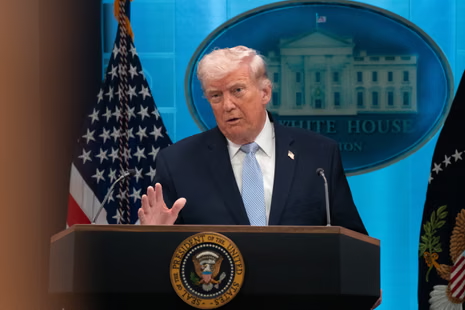
A fragile pause in one of the world’s most tense conflicts is now underway after Donald Trump announced a two-week ceasefire between the United States and Iran. The agreement, revealed just before a threatened escalation, offers a potential turning point—but also raises serious questions about whether peace can truly last.
A Sudden Shift From Escalation to Pause
The ceasefire comes after weeks of intense fighting that began in late February, when the United States and Israel launched strikes aimed at limiting Iran’s nuclear and missile capabilities. In the lead-up to the agreement, Trump had warned of a major bombing campaign if conditions were not met, signaling a possible dramatic escalation.
Instead, the announcement marked a sharp pivot. Trump stated that military objectives had already been achieved and suggested that negotiations toward a longer-term peace deal were progressing. The ceasefire, he said, would allow time to move closer to a broader agreement.
The Strait of Hormuz: The Real Battleground
At the center of the ceasefire is the Strait of Hormuz—a narrow but critical shipping route through which roughly 20% of the world’s oil supply passes. During the conflict, Iran disrupted traffic through the strait, sending global energy markets into turmoil and driving up fuel prices worldwide.
Reopening this waterway has become the key condition for both sides. The United States has tied its pause in military action to safe and unrestricted passage through the strait, while Iran has signaled it would allow shipping to resume if attacks stop.
In many ways, control of this single chokepoint has defined the conflict—and may determine whether peace holds.
A Temporary Break or a Path to Peace?
While the ceasefire is being framed as a breakthrough, it remains highly conditional. Both sides have made it clear that continued restraint depends on the other’s actions. Any disruption—whether military or economic—could quickly unravel the agreement.
There are also broader geopolitical pressures at play. The conflict has strained global alliances, rattled financial markets, and heightened fears of a wider regional war. Even with a ceasefire in place, tensions remain high, and trust between the parties is limited.
What Happens Next
The next two weeks will be critical. If the Strait of Hormuz reopens fully and remains secure, it could pave the way for more permanent negotiations. If not, the conflict could resume—potentially with greater consequences.
For now, the ceasefire offers a rare moment in a fast-moving crisis. But whether it becomes the foundation for lasting peace or just a brief pause before further escalation will depend on what happens next—not just on the battlefield, but at the negotiating table.
Check out our latest article: Social Security Warns Retirees of Rising Email Scam Threat