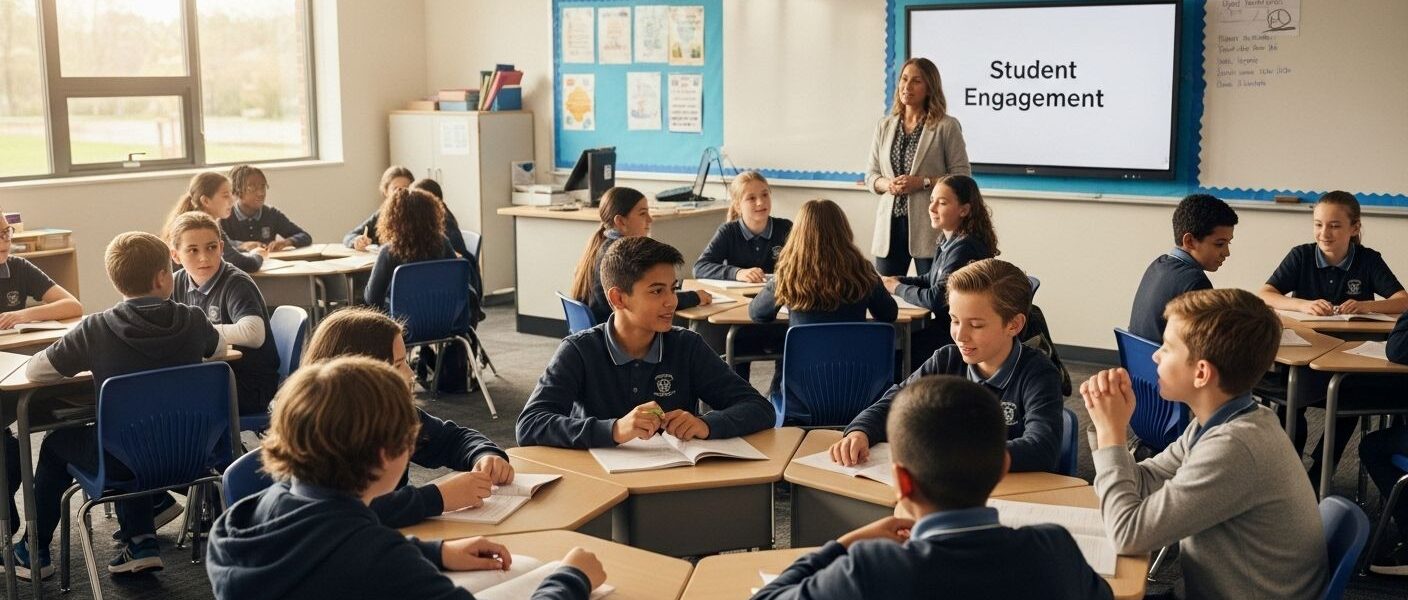

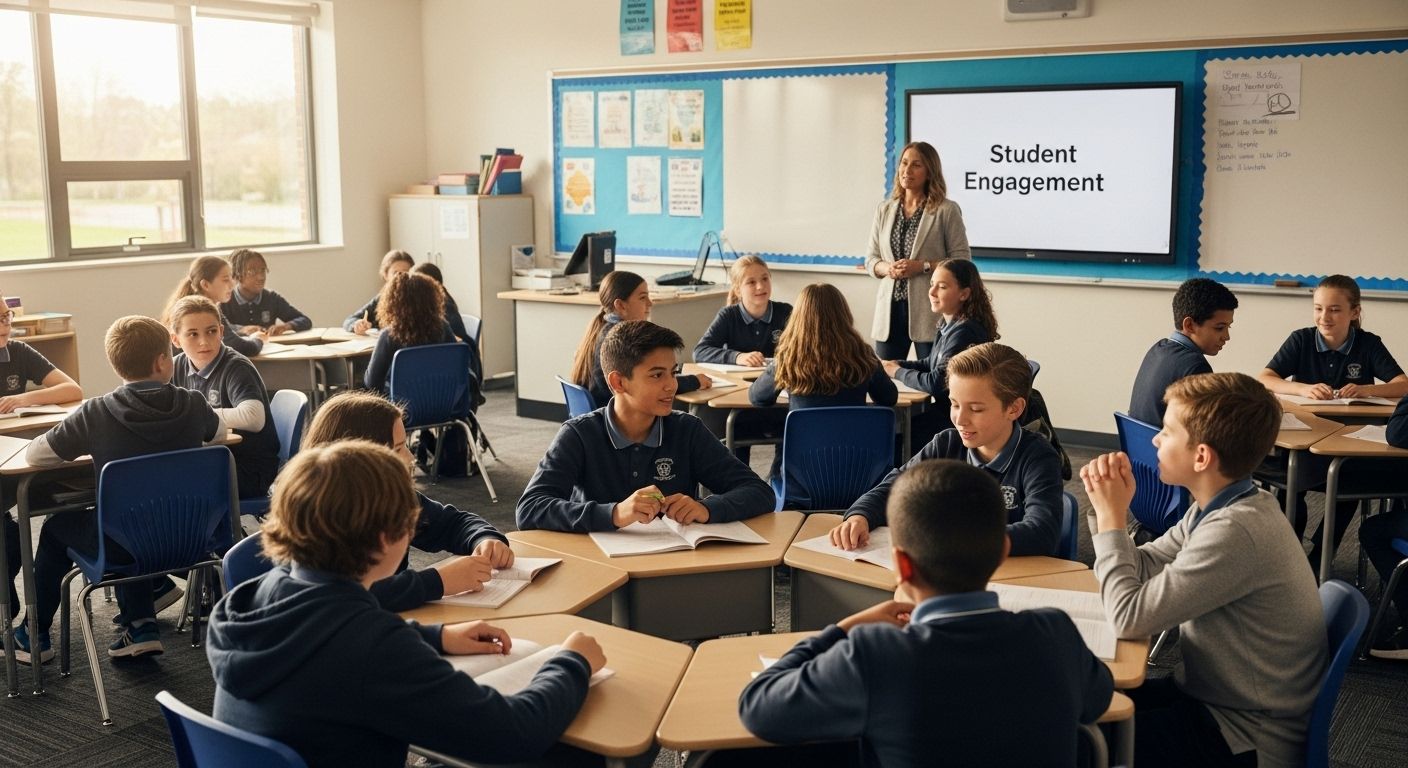
Student engagement is more than just paying attention in class. Studies show that students who are actively engaged score up to 50 percent higher on assessments compared to their less engaged peers. Surprising, right? Most think engagement is just about keeping kids awake, but the real shift comes when students move from passive listeners to active participants. That change can completely transform not just their grades but their entire approach to learning.
Table of Contents
- Defining Student Engagement Techniques And Their Importance
- The Psychological Factors Behind Student Engagement
- Different Types Of Student Engagement Techniques
- The Impact Of Student Engagement On Learning Outcomes
- Practical Applications And Real-World Examples Of Engagement Techniques
Quick Summary
| Takeaway | Explanation |
|---|---|
| Promote active learning techniques | Engage students through interactive experiences, fostering participation and deeper understanding. |
| Incorporate technology in learning | Use digital tools to facilitate personalized education and enhance student engagement through immersive content. |
| Focus on psychological motivators | Understand factors like self-efficacy and emotional intelligence to encourage academic commitment and resilience. |
| Utilize collaborative learning methods | Implement peer teaching and group projects to create a dynamic learning environment where students learn from one another. |
| Measure engagement to assess outcomes | Track student participation and feedback to improve teaching strategies and ensure better academic performance. |
Defining Student Engagement Techniques and Their Importance
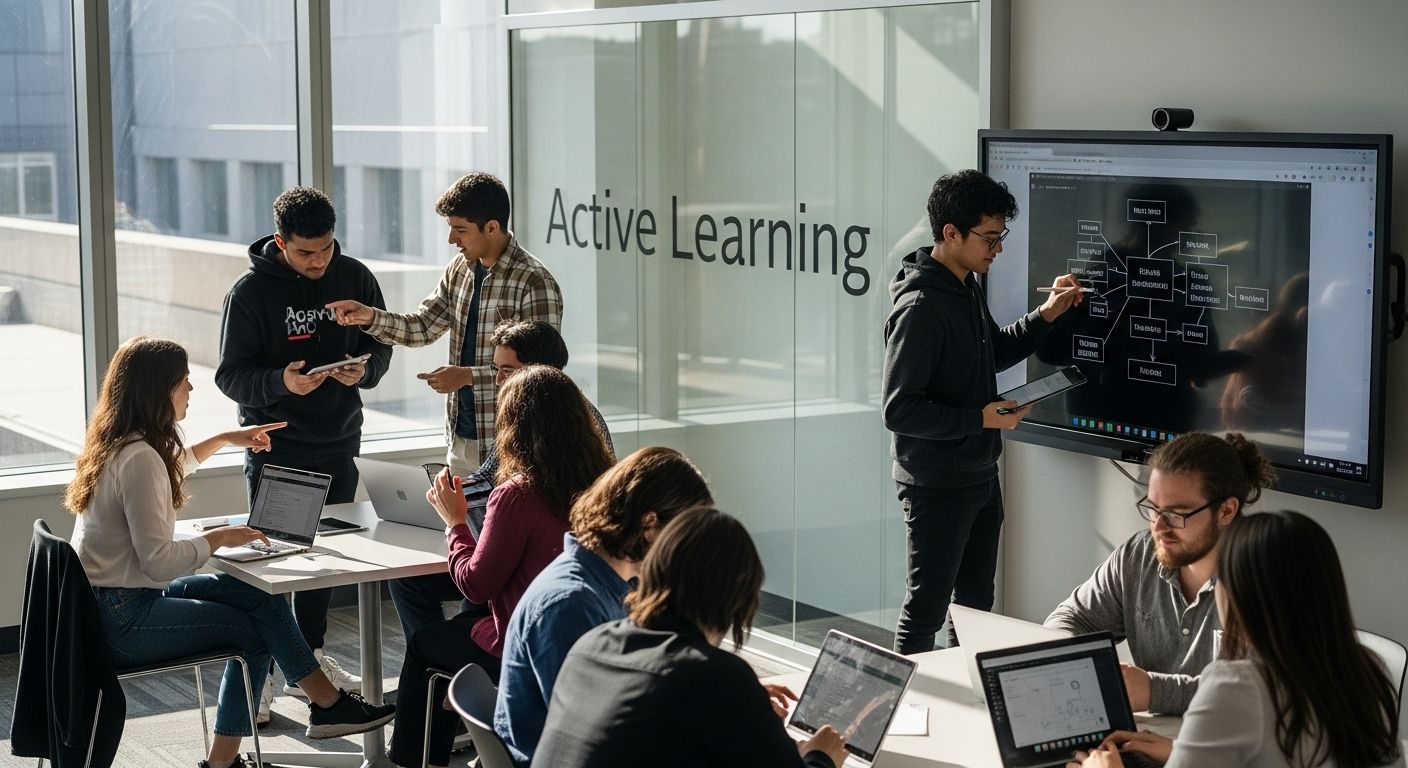
Student engagement techniques represent strategic approaches designed to actively involve learners in their educational experience, transforming passive learning into dynamic, interactive processes. These techniques go beyond traditional lecture methods, encouraging students to become active participants in their own educational journey.
Understanding Core Engagement Principles
At its foundation, student engagement involves creating meaningful connections between learners and educational content. Research from the University of Washington demonstrates that engagement is not simply about maintaining student attention, but about stimulating intellectual curiosity and motivation.
Key principles of effective student engagement include:
- Promoting active learning through interactive experiences
- Encouraging critical thinking and personal reflection
- Creating environments that support collaborative learning
Successful engagement techniques recognize that students learn differently and require diverse approaches to maintain interest and comprehension. These methods transform educational experiences from monotonous information transfer to dynamic, interactive learning environments.
Psychological and Educational Impact
Engagement techniques fundamentally alter how students perceive and interact with educational material. By incorporating strategies that make learning more participatory, educators can significantly enhance student motivation, retention, and overall academic performance.
The psychological impact is profound. When students feel genuinely connected to their learning process, they develop deeper understanding, increased self confidence, and greater intrinsic motivation.
To highlight the connection between student engagement and its educational impact, the following table organizes the main psychological and academic benefits detailed in the content.
| Benefit | Psychological Impact | Educational/Academic Outcome |
|---|---|---|
| Increased Intrinsic Motivation | Boosts self-efficacy and personal growth desires | Higher academic commitment |
| Stronger Emotional Resilience | Supports emotional regulation and confidence | Greater ability to overcome challenges |
| Enhanced Critical Thinking | Encourages metacognition and reflective learning | Improved analytical skills |
| Higher Information Retention | Deepens cognitive processing | Better knowledge retention |
| Positive Collaborative Skills | Promotes social support and teamwork ability | Adaptability in group environments |
This table summarizes how engagement influences both the psychological well-being and academic achievements of students, as explained in the article.
This approach shifts learning from an external requirement to an internally driven pursuit of knowledge.
Modern educational research consistently validates the importance of student engagement. Techniques that promote active participation not only improve academic outcomes but also prepare students with critical thinking and collaborative skills essential for future professional environments. Learn more about effective study strategies to complement these engagement techniques and maximize learning potential.
The Psychological Factors Behind Student Engagement
Understanding student engagement requires a deep exploration of the psychological mechanisms that drive learning motivation, curiosity, and academic commitment. These intricate mental processes explain why some students remain enthusiastic and dedicated while others struggle to maintain interest in their educational pursuits.
Motivation and Internal Drive
Research from Frontiers in Psychology reveals that psychological factors such as self-esteem and perceived social support play crucial roles in academic engagement. Students with higher self-efficacy and positive self-perception are more likely to demonstrate consistent academic commitment.
Key psychological motivators include:
- Intrinsic desire for personal growth and knowledge
- Recognition of long-term educational benefits
- Sense of personal achievement and competence
These motivational factors work synergistically to create a powerful internal mechanism that propels students toward continuous learning and intellectual development. When students understand their personal learning objectives, they become more invested in their educational journey.
Emotional and Cognitive Connections
Emotional intelligence significantly influences student engagement. Students who can effectively manage their emotions and understand their cognitive processes are better equipped to navigate academic challenges. Emotional resilience allows learners to maintain motivation even when confronting complex or challenging educational content.
Cognitive processes like metacognition transform passive learning into active intellectual exploration. By developing awareness of their own thinking patterns, students can strategically approach learning, making educational experiences more meaningful and personally relevant.
The intersection of emotional regulation and cognitive strategies creates a robust framework for sustained academic engagement. Discover strategies for effective learning that leverage these psychological insights and maximize educational potential.
Different Types of Student Engagement Techniques
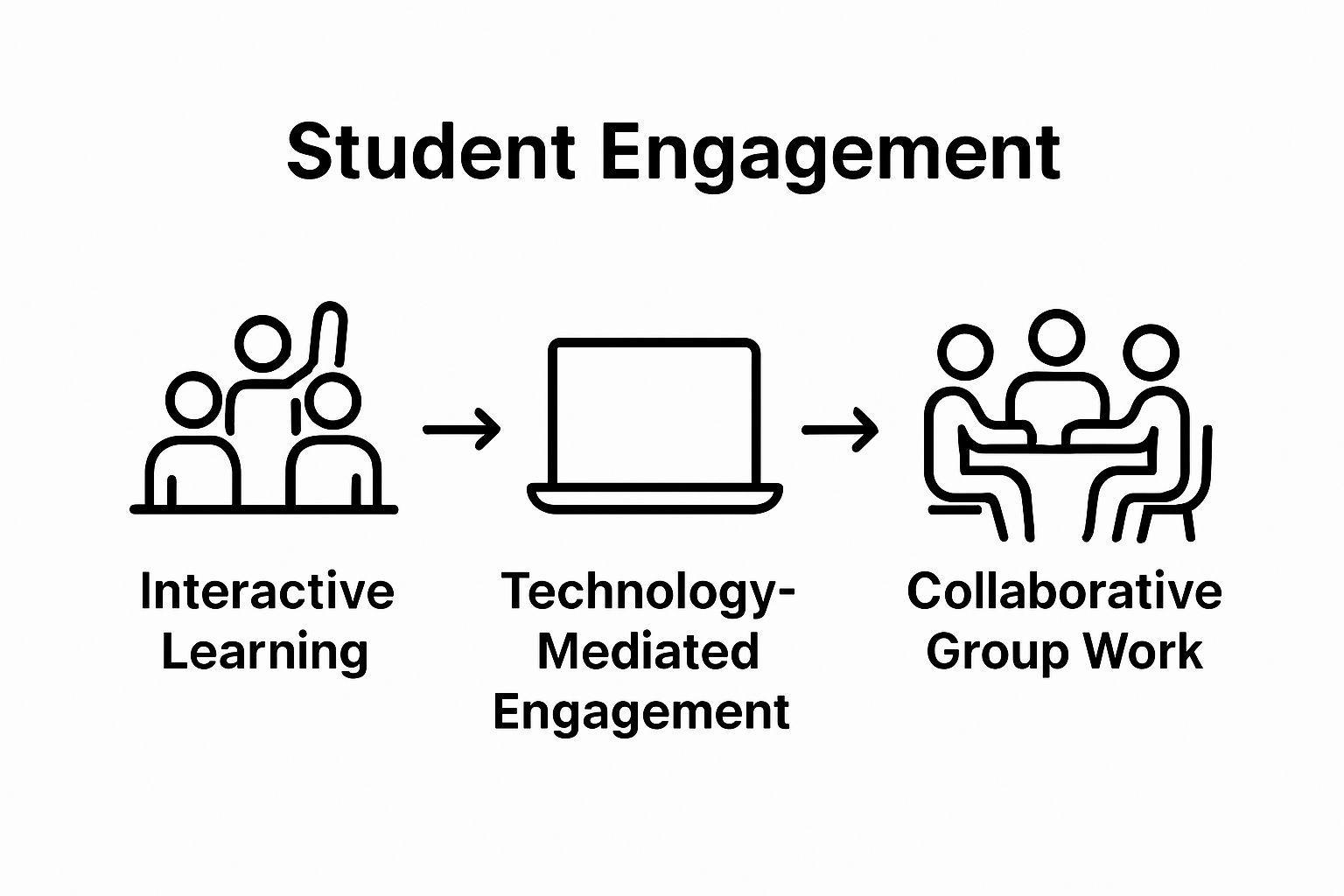
Student engagement techniques are diverse methodological approaches designed to transform traditional learning environments into interactive, dynamic spaces that stimulate intellectual curiosity and active participation. Understanding these varied techniques allows educators to create more responsive and personalized learning experiences.
To compare and clarify the different types of student engagement techniques highlighted in the article, the following table summarizes key characteristics and examples for each type.
| Engagement Technique | Key Characteristics | Examples |
|---|---|---|
| Interactive Learning Approaches | Foster active participation, collaboration, and dialogue | Group problem-solving, real-time polling, peer teaching |
| Technology Mediated Engagement | Leverage digital tools for personalized, immersive learning | Online forums, gamified modules, virtual simulations |
| Collaborative Learning Methods | Emphasize peer-to-peer instruction and teamwork | Group projects, peer teaching, reciprocal learning |
| Gamification | Integrate game elements to motivate and sustain interest | Points, badges, classroom competitions |
| Personalized Learning Pathways | Tailor educational experiences to individual needs and pace | Adaptive learning platforms, self-paced modules |
This table helps you distinguish between major engagement methods and practical applications discussed in the article.
Interactive Learning Approaches
Research from California State University highlights multiple strategies for engaging students across different learning contexts. Interactive techniques focus on converting passive information absorption into active knowledge construction.
Key interactive engagement methods include:
- Classroom response systems and real-time polling
- Collaborative group problem solving
- Peer teaching and reciprocal learning activities
- Technology enhanced interactive platforms
These approaches encourage students to become active contributors in their educational journey, transforming traditional lecture models into participatory learning environments where knowledge emerges through dialogue and shared exploration.
Technology Mediated Engagement
Digital tools and technological platforms provide unprecedented opportunities for student engagement. Online discussion forums, interactive multimedia presentations, and gamified learning modules create immersive educational experiences that transcend traditional classroom boundaries.
Technology enables personalized learning pathways, allowing students to engage with content at their own pace and through their preferred learning styles. Virtual simulations, augmented reality experiences, and adaptive learning platforms represent cutting-edge techniques that make learning more accessible, engaging, and tailored to individual student needs.Explore advanced learning strategies that integrate these innovative engagement techniques and unlock your full academic potential.
The Impact of Student Engagement on Learning Outcomes
Student engagement is not merely an educational ideal but a critical determinant of academic success, profoundly influencing how students acquire, process, and retain knowledge. Understanding the intricate relationship between engagement and learning outcomes provides crucial insights into effective educational strategies.
Cognitive Performance and Academic Achievement
Research from the National Library of Medicine reveals a direct correlation between student engagement and academic performance. Engaged students demonstrate significantly higher cognitive processing capabilities, leading to enhanced learning outcomes across multiple academic domains.
Key factors linking engagement to academic success include:
- Enhanced information retention and comprehension
- Improved critical thinking and analytical skills
- Increased motivation and intrinsic learning drive
- Higher levels of intellectual curiosity
These interconnected factors create a powerful learning ecosystem where engagement serves as the primary catalyst for academic growth and intellectual development.
Long-Term Educational and Professional Implications
Beyond immediate academic performance, student engagement yields substantial long-term benefits. Students who develop robust engagement strategies cultivate transferable skills essential for professional success, including adaptability, collaborative problem solving, and continuous learning mindsets.
Engagement transforms learning from a transactional experience into a transformative journey. By actively participating in their educational process, students develop metacognitive abilities that extend far beyond traditional classroom boundaries. This holistic approach to learning prepares individuals not just for academic challenges but for complex professional environments that demand creative thinking and proactive learning.Unlock advanced learning strategies that can help you maximize your educational potential and transform your academic trajectory.
Practical Applications and Real-World Examples of Engagement Techniques
Transforming theoretical student engagement concepts into practical classroom strategies requires innovative approaches that resonate with diverse learning styles and individual student needs. Real-world applications demonstrate how engagement techniques can dramatically reshape educational experiences.
Classroom Implementation Strategies
Research from Educational Psychology highlights several practical engagement techniques that educators can seamlessly integrate into their teaching methodologies. These strategies focus on creating interactive, dynamic learning environments that stimulate student participation and intellectual curiosity.
Effective classroom engagement methods include:
- Gamification of learning content
- Interactive problem solving scenarios
- Collaborative project based learning
- Personalized learning pathways
- Peer teaching and reciprocal learning activities
By implementing these techniques, educators can convert traditional lecture models into immersive, student centered learning experiences that encourage active knowledge construction and critical thinking.
Technology Enhanced Engagement
Digital platforms and technological tools offer unprecedented opportunities for creating engaging educational experiences. Virtual reality simulations, adaptive learning platforms, and interactive online forums enable students to explore complex concepts through experiential and personalized learning approaches.
These technological engagement techniques allow students to learn at their own pace, receive immediate feedback, and interact with educational content in ways that traditional classroom settings cannot accommodate. Adaptive learning algorithms can customize content difficulty, ensuring that students remain challenged yet not overwhelmed.
Discover advanced learning strategies that can help you transform your educational approach and maximize student engagement.
Unlock Powerful Student Engagement With Ultra News
Are you struggling to keep students actively involved in learning? If the challenge is transforming passive listeners into engaged participants, you are not alone. Many readers face the frustration of stagnant classroom energy, low motivation, and difficulty applying proven engagement techniques discussed in this article. By tapping into interactive methods, psychological motivators, and technology-driven strategies, you can completely change the learning experience for yourself or your students.
Ultra News offers a dedicated Education section filled with actionable guides and the latest insights on elevating academic performance through dynamic engagement. Whether you wish to discover cutting-edge academic tips, new educational research, or practical classroom strategies, our resources help you take the next step right now. Explore Ultra News for reliable educational content that empowers learners to achieve more. Turn reading into real results by visiting today.
Frequently Asked Questions
What are student engagement techniques?
Student engagement techniques are strategies designed to actively involve learners in their educational experience, transforming passive learning into dynamic, interactive processes that encourage participation.
Why is student engagement important for learning?
Student engagement is crucial because it enhances motivation, retention, and overall academic performance. Engaged students develop critical thinking skills and a deeper understanding of the material, leading to better learning outcomes.
How can emotional intelligence impact student engagement?
Emotional intelligence influences student engagement by enabling learners to manage their emotions and understand their cognitive processes. This helps maintain motivation and fosters a connection to the learning material, enhancing overall engagement.
What are some effective classroom engagement strategies?
Effective classroom engagement strategies include gamification of content, collaborative project-based learning, interactive problem-solving scenarios, and using technology to enhance the learning experience.
Recommended